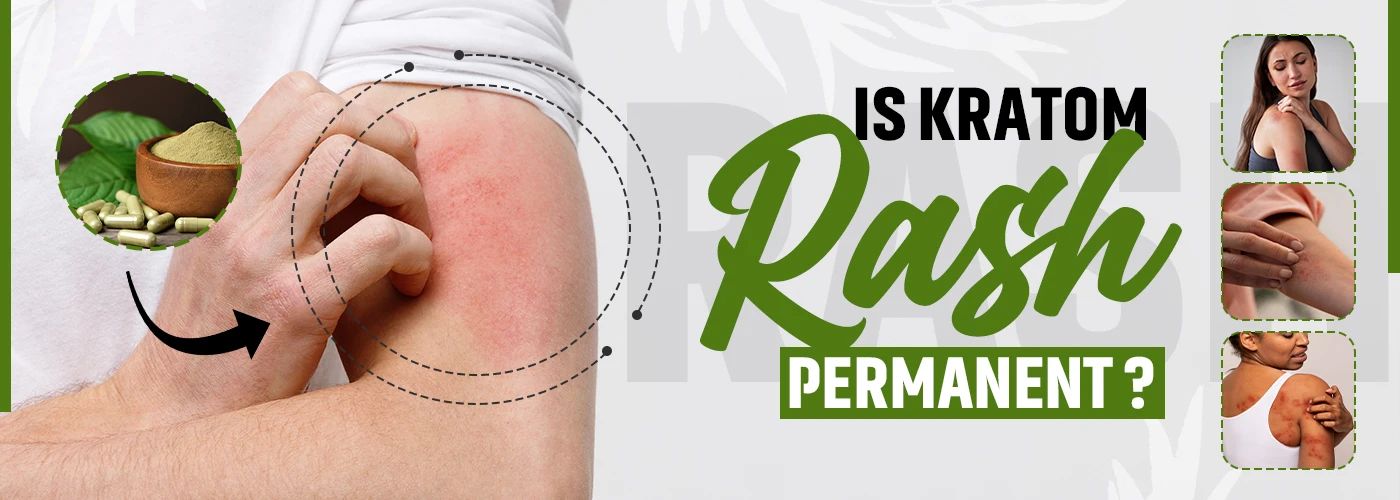
Kratom has gained attention for its unique botanical properties, but like many natural products, it can sometimes cause unexpected reactions. One such reaction is the Kratom rash. It’s a condition that confuses new users and worries regular ones. If you’ve ever noticed red, itchy patches forming on your skin after using Kratom, you’re not alone. The key question most ask is this: is kratom rash permanent? The good news: in most cases, it’s not. Let’s break down what’s happening beneath the surface and how to handle it wisely.
What Is a Kratom Rash?
A Kratom rash refers to skin irritation that appears after using Kratom products.
It usually shows up as:
- Red, itchy bumps or blotches
- Small raised hives
- Dry or flaky patches
- Occasionally, mild swelling
This type of rash may develop within hours or days after use. It’s often linked to an allergic reaction, sensitivity to Kratom’s alkaloids, or even impurities in the product. A Kratom rash is not considered permanent, but it can reappear if the cause is ignored. Recognizing it early helps prevent discomfort and long-term skin irritation.
What Causes a Kratom Rash?
Several factors can trigger a Kratom-related rash. The main causes include:
- Allergic Sensitivity
Some people are naturally sensitive to Kratom alkaloids like mitragynine. Even small portions can trigger an immune response. - Contaminated or Low-Quality Kratom
Impurities such as mold, pesticides, or chemical residues from poor manufacturing can irritate the skin or cause allergic flare-ups. - Overuse or High Serving Frequency
Using Kratom too often without breaks may cause the body to react with inflammation or histamine buildup, showing up as a rash. - Dehydration or Poor Hygiene
Since Kratom can be mildly dehydrating, lack of water intake can lead to dry, itchy skin that worsens rash symptoms. - Immune System Response
In rare cases, the immune system may overreact to certain alkaloids, interpreting them as foreign irritants.
| Possible Cause | Typical Symptoms | Solution |
|---|---|---|
| Allergic reaction | Itchy red patches | Discontinue use immediately |
| Contaminated product | Rash plus nausea or headache | Switch to verified vendors |
| Overuse | Skin dryness and irritation | Take breaks and hydrate |
| Dehydration | Rough, flaky skin | Drink more fluids |
| Immune sensitivity | Recurring rash | Consult a doctor |
How to Treat and Prevent Kratom Rash
Is Kratom rash permanent? Absolutely not! If you notice a rash after using Kratom, don’t panic. Most cases resolve quickly with simple steps:
Immediate Care:
- Stop using Kratom temporarily.
- Wash the affected area with mild soap and water.
- Apply a gentle moisturizer or soothing lotion like aloe vera.
- Avoid scratching, which can worsen irritation.
Prevention Tips:
- Buy from Trusted Brands
Always purchase lab-tested Kratom from transparent sources. Look for Certificates of Analysis (COAs) verifying purity and alkaloid content. - Stay Hydrated
Kratom can have drying effects on some users. Drink plenty of water before and after each serving. - Use in Moderation
Take breaks between servings. Rotate strains occasionally to give your body time to reset. - Monitor for Allergic Signs
If mild irritation appears after every use, it may signal sensitivity to a certain strain. - Improve Skin Care Routine
Moisturize regularly, especially during dry seasons. Clean your skin after workouts or outdoor activities to avoid buildup that worsens irritation.
Can You Still Use Kratom After a Rash?
You might be able to, but with caution. Whether you can resume depends on what caused the rash.
- If it was due to contamination, switching to the best online kratom that has been lab-tested may solve the issue.
- If it was a mild sensitivity, you might try a different strain or smaller portion.
- If it was a true allergic reaction, it’s best to discontinue Kratom completely.
Before using it again:
- Wait until the rash has fully healed.
- Test with a very small serving.
- Observe for any skin reactions over the next 24–48 hours.
Remember, no wellness product should come at the cost of your comfort or health. Your body’s response should always guide your next step.
When to Seek Medical Advice
Most Kratom rashes are mild and fade within a few days. However, you should seek medical attention if:
- The rash spreads quickly or becomes painful
- You experience swelling of the face, lips, or eyes
- You have difficulty breathing or dizziness
- The rash persists beyond a week despite stopping Kratom
A medical professional can help determine whether it’s an allergic reaction, fungal irritation, or unrelated skin issue. If needed, they may recommend antihistamines or topical creams to relieve symptoms.
Kratom Rash vs. Other Skin Conditions
| Condition | Appearance | Trigger | Recovery Time |
|---|---|---|---|
| Kratom Rash | Red, itchy, sometimes scaly | Kratom use or contamination | Few days to a week |
| Heat Rash | Small red bumps, prickly | Excess heat or sweat | 1–2 days |
| Contact Dermatitis | Redness and swelling | Chemical or plant exposure | 3–7 days |
| Allergic Rash | Hives or welts | Food, pollen, or medication | Few hours to days |
How to Choose Quality Kratom to Avoid Skin Reactions
- Third-party lab testing to verify purity and alkaloid balance
- COA transparency from reputable vendors
- Store Kratom in cool, dark, and dry places to prevent mold growth
- Trusted suppliers who handle Kratom under clean, regulated conditions
At Whole Earth Gifts, responsible sourcing and product integrity matter most. Always review product details carefully before purchasing.
The Takeaway
So, is Kratom rash permanent?
No, it rarely is. In most cases, it’s a temporary response. In simple terms, it’s your body’s way of signaling sensitivity or contamination. The key is awareness and care: choose high-quality Kratom, use it responsibly, and listen to your skin’s signals.
Skin health and well-being go hand in hand. When managed wisely, you can enjoy Kratom’s potential benefits without lasting irritation. Only peace of mind and balance.
FAQs
Q1. What are the positive effects of kratom?
A1. Kratom may promote feelings of calm, focus, or motivation depending on the strain and serving size. Many users say it helps them feel more balanced and centered throughout their day.
Q2. What cannot be taken with kratom?
A2. Kratom should not be combined with alcohol, sedatives, or prescription medications affecting the brain or liver. Mixing substances may cause unpredictable interactions, so it’s safest to use Kratom alone.
Q3. What does kratom do to your mind?
A3. Kratom interacts with brain receptors linked to mood and alertness. Some people report clearer focus or a mild sense of relaxation, though effects can vary depending on the strain used.
Q4. What are long-term side effects of kratom?
A4. Long-term use may lead to tolerance or reduced effectiveness. Some users also notice mild changes in energy, sleep, or skin tone. Taking breaks helps the body maintain a natural balance.
Q5. How is kratom induced hyperpigmentation treated?
A5. Kratom-related hyperpigmentation, when it occurs, often fades after discontinuing use. Gentle exfoliation, hydration, and consistent skincare can help restore an even tone, though persistence may take several months.