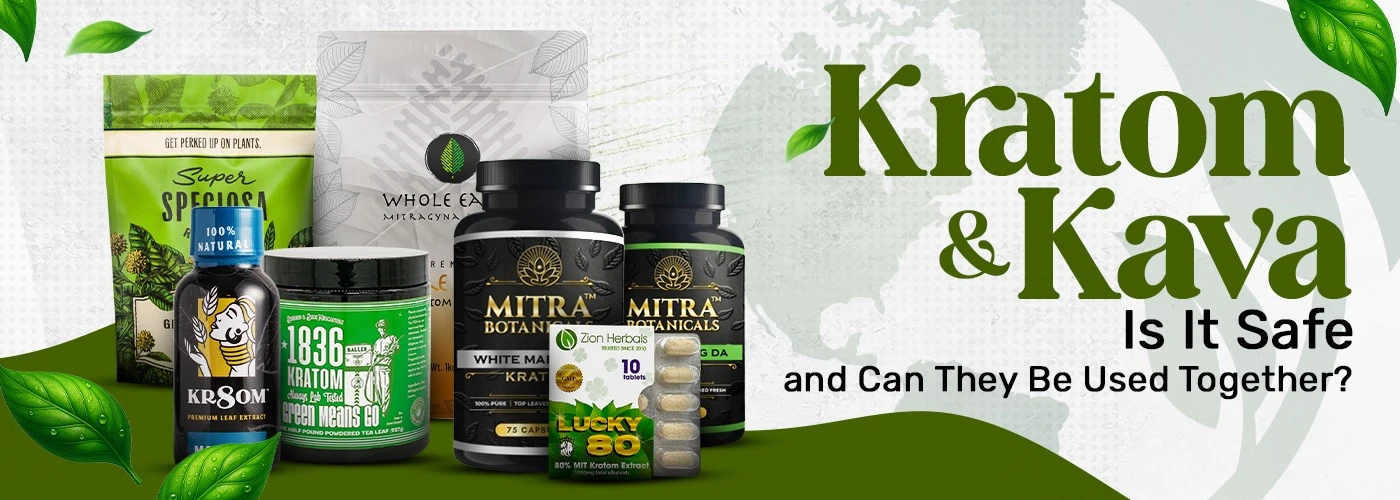
Let’s be honest. Life in 2026 is heavy. People are burnt out. They’re looking at the soil instead of the pharmacy to find some peace. If you’ve been searching for a way to unplug, you’ve probably seen kratom and kava popping up in the same search results. Both plants come from ancient traditions. Both promise a better mood. But are they actually the same thing? And should you be mixing them in the same cup?
Short answer: No, they aren’t even close to being the same. And mixing them? That is where things get tricky. This isn’t just about “natural herbs.” This is about knowing how two very different botanicals hit your system before you start experimenting.
What Is Kava and Kratom?
What Is Kratom?
Kratom (Mitragyna speciosa) is a tropical tree from Southeast Asia. For centuries, laborers in places like Indonesia chewed the leaves to stay awake and numb the aches of a 10-hour workday. It’s actually a cousin to the coffee plant.
The power of kratom lies in its alkaloids, mostly mitragynine. It’s a “biphasic” plant. At low doses, like a couple grams of kratom powder, it’s like a clean cup of espresso with focus and motivation. At higher doses, it hits your mu-opioid receptors to provide physical comfort. It’s a tool for getting things done.
What Is Kava?
Kava (Piper methysticum) is a root from the South Pacific. For thousands of years, islanders have pounded the root into a ceremonial drink for social connection. It doesn’t give you energy. It doesn’t help you work. Its entire job is to help you “unplug.”
Kava uses kavalactones. These target your GABA receptors, which act like the body’s natural brakes. It chills out your nervous system and melts away stress without stealing your mental clarity. It’s an “unwinder,” not an “energizer.”
Difference Between Kava and Kratom
They are different in almost every biological way. Think of them as the “accelerator” and the “emergency brake” of the plant world.
| Feature | Kratom | Kava |
|---|---|---|
| Origin | SE Asian Tree Leaf | South Pacific Island Root |
| Active Part | Alkaloids (Mitragynine) | Kavalactones |
| Body System | Opioid/Adrenergic | GABA Receptors |
| Primary Goal | Focus, Energy, Relief | Stress Relief & Socializing |
| Form Factor | Kratom capsules, powder | Root powder, tea |
Kava and Kratom Effects on the Body
Both botanicals can change how you feel, but they take very different paths to get there.
The Kratom Vibe
Kratom is for the “functional” human. It helps you stay social when you’d rather hide. It helps you push through work when your back is screaming. Since it doesn’t cloud your mind at low doses, you can take a kratom capsule at 10 a.m. and still answer emails. It’s a daytime tool.
The Kava Vibe
Kava is the ultimate social lubricant. It targets that “fight or flight” response. It makes you feel grounded and calm. It doesn’t have the stimulant “snap” that kratom has. It just brings the volume of the world down a few notches. It’s strictly for the “after-hours” chill.
Can You Take Kratom and Kava Together?
You might see a “kava and kratom shot” or a “kava and kratom drink” at a smoke shop. Be careful. While some people like the combo, it isn’t a safe bet for everyone.
- Over-Sedation: Both can make you sleepy. Combining them is just doubling down on drowsiness.
- Liver Load: Kava is processed by the liver. If you add high-dose kratom extract or alcohol, you’re asking your liver to do too much at once.
- The “Wobbles”: Mixing “ups” and “downs” can make some people feel nauseous or dizzy.
The 2026 advice? Try them separately first. Know your baseline before you start playing chemist.
Legal Status of Kratom and Kava
The legal map changed again this month.
Kratom: It’s legal in most of the U.S. under the Kratom Consumer Protection Act (KCPA). But authorities are cleaning house. On January 16, 2026, California’s CDPH and ABC started “red-tagging” and seizing 7-OH kratom extracts, calling them dangerous. Meanwhile, New York law A05852 just went into effect on Jan 1, requiring massive warning labels. Pure kratom powder is still the legal gold standard.
Kava: It remains almost entirely legal across all 50 states. It’s treated as a dietary supplement and hasn’t faced the same “ban” threats as kratom.
Choosing Quality Kratom or Kava Products
In 2026, you can’t just trust a gas station label. Quality is everything.
- The COA Test: If you want to buy kratom or kava, you need to see a Lab Certificate. No lab results? No purchase.
- Toxin-Free ethos: At Whole Earth Gifts, we obsess over BPA-free and toxin-free packaging. Why take a natural plant if it’s sitting in cheap plastic chemicals?
- Noble Kava Only: For kava, ensure it is “Noble” root. “Tudei” kava is cheaper but can make you feel hungover and sick.
Final Thoughts
Kratom and kava are gifts from the earth, but they aren’t toys. One sharpens you. The other softens you. Respect the difference. If you’re looking for that “middle ground,” stick to high-quality kratom capsules or powder from a vendor that actually puts their lab results front and center.
FAQs
Q1. Is kava and kratom the same thing?
A1. No. Not even close. They come from different plants, hit different brain receptors, and have completely different effects.
Q2. Can you mix kava and kratom safely?
A2. “Safely” is a strong word. While common in some shots, it carries a higher risk of nausea and intense sedation. If you’re new, keep them separate.
Q3. What are kava and kratom shots?
A3. These are liquid blends sold at kava bars or shops. Be wary of the January 2026 California bans on 7-OH versions which are often hidden in these shots.
Q4. What’s better for relaxation—kava or kratom?
A4. Kava is the king of relaxation. Kratom can be relaxing at high doses, but it always carries that underlying “energy” that kava doesn’t have.
Q5. Is it legal to buy kratom and kava online?
A5. Yes, in most states. Just check your local 2026 statutes, especially in places like Florida where bill S0994 is currently moving through the legislature to tighten manufacturing rules.