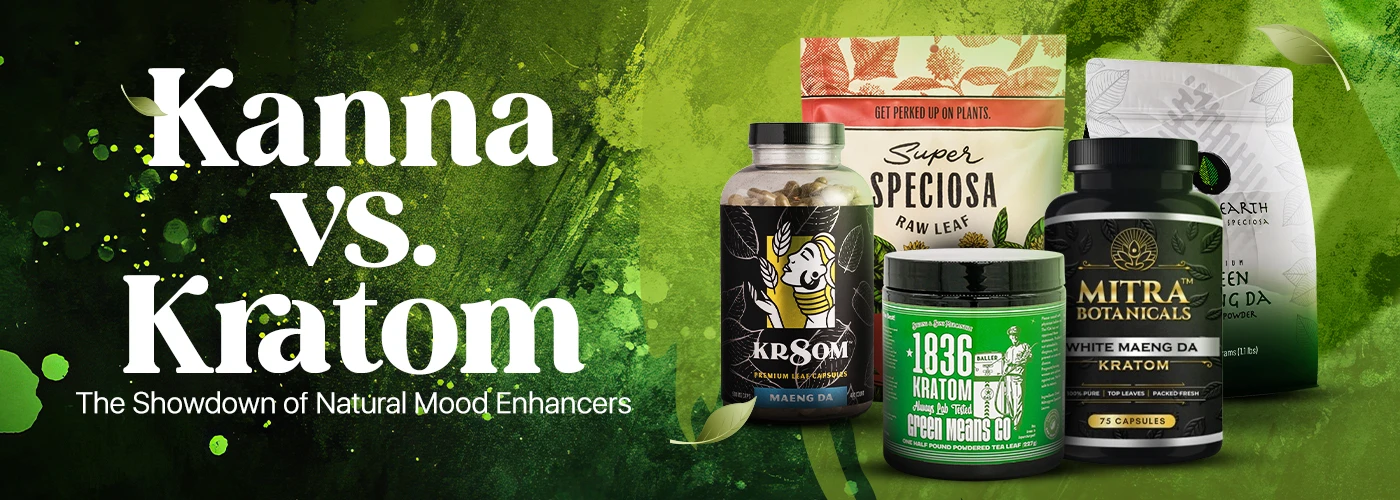
Some herbs do more than relax your body. They connect your mind to calm. Two of the most talked-about natural botanicals today are Kanna and Kratom. Both come from plants long respected for their ability to influence mood and focus. But they work very differently. If you’re curious about how they compare, this Kanna vs. Kratom breakdown explains everything, starting from what they are to how to choose which one fits your goals.
What Exactly Is Kanna?
Kanna, scientifically known as Sceletium tortuosum, is a succulent plant native to South Africa. It has been used for centuries in local traditions to support emotional well-being and social connection.
Key Characteristics of Kanna:
- Origin: Indigenous to South Africa.
- Part Used: Dried leaves and stems.
- Primary Use: Promoting calm focus and an uplifted mindset.
- Common Forms: Powder, capsules, tinctures, or herbal blends.
So, is Kanna a drug? Not exactly! When consumed in small portions, Kanna is often associated with a mild sense of ease and clarity. It’s known more for its centering properties rather than stimulation. Many users describe it as a social herb that helps you relax or improve your mental clarity without putting you to sleep.
What Is Kratom and How Does It Work?
Kratom, or Mitragyna speciosa, is a tropical evergreen tree native to Southeast Asia. The plant’s leaves contain natural compounds that interact with the body’s receptors, promoting a variety of effects depending on the strain and quantity used.
Key Facts About Kratom:
- Origin: Thailand, Indonesia, Malaysia, and surrounding regions.
- Part Used: Dried or powdered leaves.
- Primary Use: Supporting energy, focus, or relaxation.
- Common Forms: Powder, capsules, tea, and extracts.
Kratom is known for its versatility. Some strains offer calm and relaxation, while others are more energizing. This makes it a unique botanical that can fit different times of the day, from a morning boost to evening unwinding.
Kanna vs. Kratom: Key Differences Explained
Though both herbs are natural and plant-derived, they differ in composition, history, and the way they work in the body. As for Kanna drug test, the active alkaloids in this herb aren’t included in drug test panels. Here’s a closer look:
| Feature | Kanna | Kratom |
|---|---|---|
| Botanical Name | Sceletium tortuosum | Mitragyna speciosa |
| Origin | South Africa | Southeast Asia |
| Primary Effects | Calm, focus, uplifted mood | Relaxation, energy, or balance |
| Typical Form | Capsules, powder, tinctures | Powder, capsules, tea |
| Best For | Enhancing mood, promoting quality | Supporting energy or relaxation |
| Onset Time | 20-30 minutes | 15-45 minutes |
| Duration | 2-4 hours | 3-6 hours |
| Social Use | Promotes connection and ease | More individualized effects |
| Legality in U.S. | Mostly legal | Legal in most states (some restrictions apply) |
How They Affect the Body and Mind
Both Kanna and Kratom interact with the body’s natural pathways, but in different ways.
Kanna: The Grounding Herb
- Encourages a balanced state of mind.
- Promotes emotional calm and focus.
- Often used during social activities for light relaxation.
- Works subtly, making it suitable for daytime use.
Kratom: The Adaptive Botanical
Depending on the strain, Kratom can help you start your day or ease into rest:
- White Vein Strains: Often used for focus, clarity, and a gentle lift.
- Green Vein Strains: Offer balance and calm alertness.
- Red Vein Strains: Known for their relaxing and soothing properties.
Each Kratom strain works uniquely, allowing you to tailor your experience to your needs.
Choosing Between Kanna and Kratom: Which Fits You Best?
Here’s a side-by-side Kanna vs. Kratom look to help you decide which plant might align with your goals.
| Preference | Choose Kanna If… | Choose Kratom If… |
|---|---|---|
| You want calm focus. | You prefer a subtle, mood-centered calm that keeps your head clear. | You want a moderate, balanced lift that can energize or relax depending on strain. |
| You prefer social balance. | You enjoy shared experiences and a positive mindset during social time. | You prefer a personal, introspective calm or focus session. |
| You’re new to botanicals. | You want a gentle introduction to mood-balancing herbs. | You want customizable experiences for energy or relaxation. |
| You like flexible formats. | You prefer light herbal products and low serving sizes. | You like variety: from powders to tea to extracts. |
| You seek all-day versatility. | Great for steady calm during work or study. | Fits morning boosts or evening relaxation depending on the strain. |
In short: Kanna is about clarity and calm, while Kratom is about balance and adaptability.
Safety and Legal Status
Both Kanna and Kratom are natural, but responsible use is important.
Kanna Safety:
- Generally considered mild and non-habit forming.
- Avoid combining with other substances that affect mood.
- Start with a small serving to see how your body responds.
Kratom Safety:
- Should be used thoughtfully and in moderation.
- Strain selection and serving quantity matter.
- It’s legal in most U.S. states but restricted in a few. Always check local regulations.
Both botanicals should be purchased only from trusted vendors who provide lab-tested, quality-assured products. Purity and transparency are key when exploring herbal options.
The Verdict
When it comes to mood-enhancing botanicals, Kanna and Kratom stand out for different reasons.
- Kanna brings calm clarity. A natural upliftment that fits social or creative moments.
- Kratom, on the other hand, offers adaptability. Whether you need focus in the morning or comfort in the evening, Kratom can deliver. Read more on “how long does Kratom stay in your system.”
The choice between Kanna vs. Kratom depends on what your day demands. Both can complement a balanced lifestyle when used responsibly and sourced from trusted suppliers like Whole Earth Gifts, where every product is selected with care for purity, safety, and quality.
FAQs
Q1. Is kratom an opioid?
A1. No. Kratom is not an opioid, though it interacts with similar receptors. It’s a natural botanical leaf with unique alkaloids that influence energy, focus, and relaxation in balanced ways.
Q2. What does kratom do to the body?
A2. Kratom supports energy, focus, and calm depending on the strain and serving size. It naturally interacts with the body’s receptors, encouraging balance without the harsh effects of stimulants.
Q3. Which is better, kratom or kava?
A3. It depends on your goal. Kratom is versatile, offering either energy or calm, while kava is known for easing tension and promoting relaxation without affecting clarity.
Q4. How psychoactive is kanna?
A4. Kanna is not strongly psychoactive. Its effects are mild and mood-centered, promoting calm focus and social ease rather than altering perception or creating intense mental changes.
Q5. What’s stronger than kratom?
A5. Each plant affects people differently, but few natural botanicals match Kratom’s balance of focus and relaxation. Some prefer other herbs for calm, yet Kratom remains unique in versatility.